5 minute read
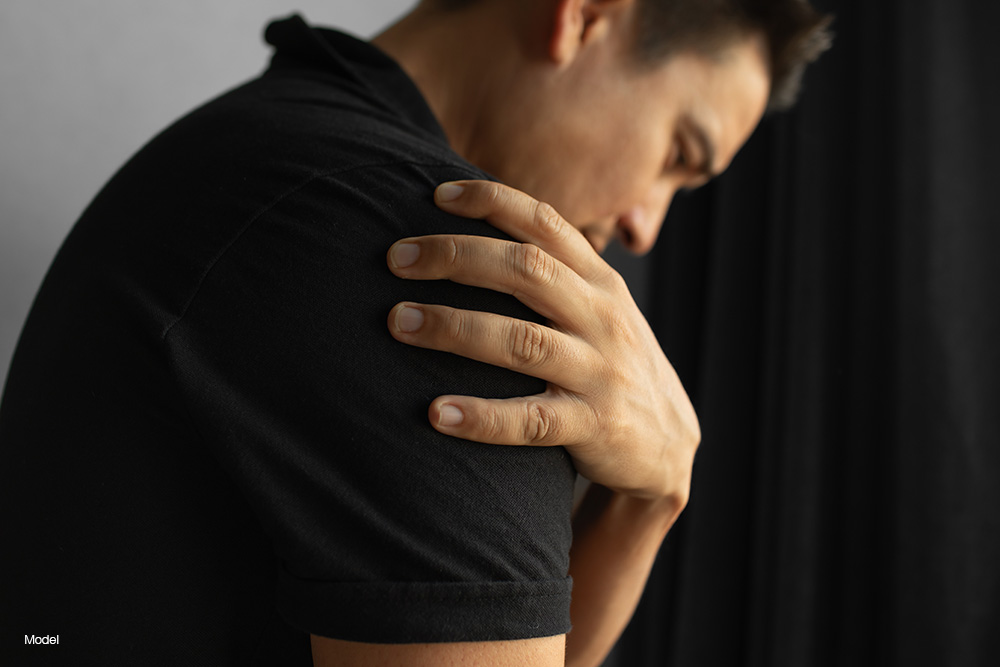
When chronic shoulder pain prevents you from enjoying your favorite activities, it may be time to breathe new life into that joint with shoulder replacement surgery. The procedure reduces pain and restores mobility, but patients often worry about an extensive and uncomfortable recovery. Once a patient understands what the shoulder replacement journey entails, those concerns are often put to rest. This blog outlines the shoulder replacement recovery process so you know what to expect before you undergo surgery.
Your Shoulder Replacement Surgery Recovery Timeline
Recovery from shoulder replacement surgery can vary somewhat for each patient, but this outline provides an estimated recovery timeline:
Immediately Following Shoulder Replacement
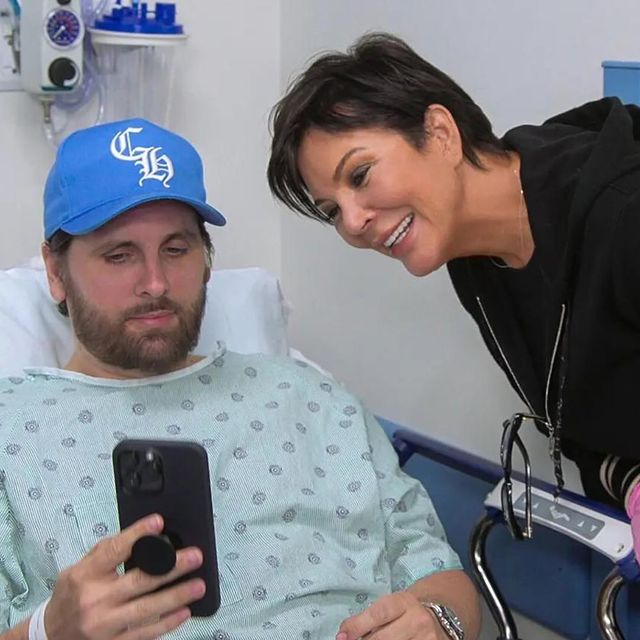
We will monitor you in our recovery room while you wake up from your anesthesia. The pain medications administered during your surgery should continue to keep you comfortable for many hours. Additional medication will also be prescribed, and you will receive postoperative instructions before you are discharged to go home. Some patients choose to remain in our private Recovery Center for a few days, where they receive 24/7 nursing care, physical therapy, and catered food.
First Month: Range of Motion and Joint Protection
The first stage of the recovery process is known as the protective phase. Your shoulder is immobilized in a brace or sling for the first two weeks to protect the surgical site and promote healing. You will also have instructions for pain management that consist of ice therapy and medication. Your physical therapist will also begin with active and active assisted range-of-motion (AAROM/AROM) exercises to maintain some mobility and prevent the joint from getting stiff.
Second Month: Early Strengthening
External rotation is limited first the first six weeks to allow for subscapularis repair. At week six, you will begin resistance training, which will help improve your strength and motion. Your physical therapist will show you controlled movements you can do using resistance bands to slowly and safely rebuild your strength. Continue to avoid lifting or sudden movements.
Third Month: Active Motion and Advanced Strengthening
As more mobility returns, your rehabilitation process will expand to include more advanced strengthening exercises in your therapy sessions. You may begin lifting your arms without assistance and continue using your resistance bands to work your rotator cuff muscles. You should continue to avoid heavy lifting or performing any overhead strengthening exercises. Most patients return to sedentary jobs within four to six weeks. However, more strenuous work may have to wait longer to allow more healing time.
Months Three to Six: Getting Back to Activities
Once your tendon heals fully, activity is less likely to cause setbacks. You may focus on increasing your shoulder strength to return to the activities you enjoyed before your surgery. Dr. Snibbe will let you know when you are ready for heavier lifting or overhead strength training. However, let your body guide you on how much activity it can handle and stop when you experience sharp or persistent pain.
Factors That Impact Your Shoulder Replacement Recovery
Most patients fully recover from shoulder replacement surgery within four to six months, although specific timelines may vary based on these factors:
- Patient’s age, overall health, and fitness level
- Pre-existing conditions like diabetes
- Smoking, which reduces blood flow and delays healing
- Type of shoulder replacement performed
- Commitment to physical therapy
Adherence to your physical therapy schedule may be the most significant factor, since your therapy exercises are critical for regaining range of motion, joint stability, and strength. In addition to attending all your therapy sessions, daily work at home will help you progress more quickly through your shoulder replacement recovery.
Recovery From Anatomic vs. Reverse Shoulder Replacement
Dr. Snibbe performs anatomic and reverse shoulder replacements, depending on the patient’s specific concerns and damage. Anatomic shoulder arthroplasty replaces the ball portion of the shoulder joint with a metal sphere and the socket portion with an artificial component. Reverse shoulder replacement reverses the components, replacing the ball of the joint with a socket and vice versa.
Reverse shoulder replacement may be a better choice for patients with significant damage to the rotator cuff. Range of motion after the surgery may be more limited, but it does effectively improve pain. The recovery after reverse shoulder replacement surgery may also be slightly faster.
Discover Your Options in Shoulder Replacement Surgery in Los Angeles, CA
Dr. Jason Snibbe is a board-certified orthopedic surgeon renowned for his minimally invasive and robotic shoulder surgeries. His precision and advanced techniques ensure better implant positioning, faster recovery, and superior results compared to other joint replacement procedures. He is an orthopedic consultant for many professional sports teams and has performed surgery on athletes, performers, and active adults seeking to maintain their lifestyle at every stage of life.
Shoulder pain should not keep you from living your best life. To find out if shoulder replacement surgery in Los Angeles is right for you, call our office at (310) 860-3048 or complete our online contact form to schedule your consultation with Dr. Snibbe.