7 minute read
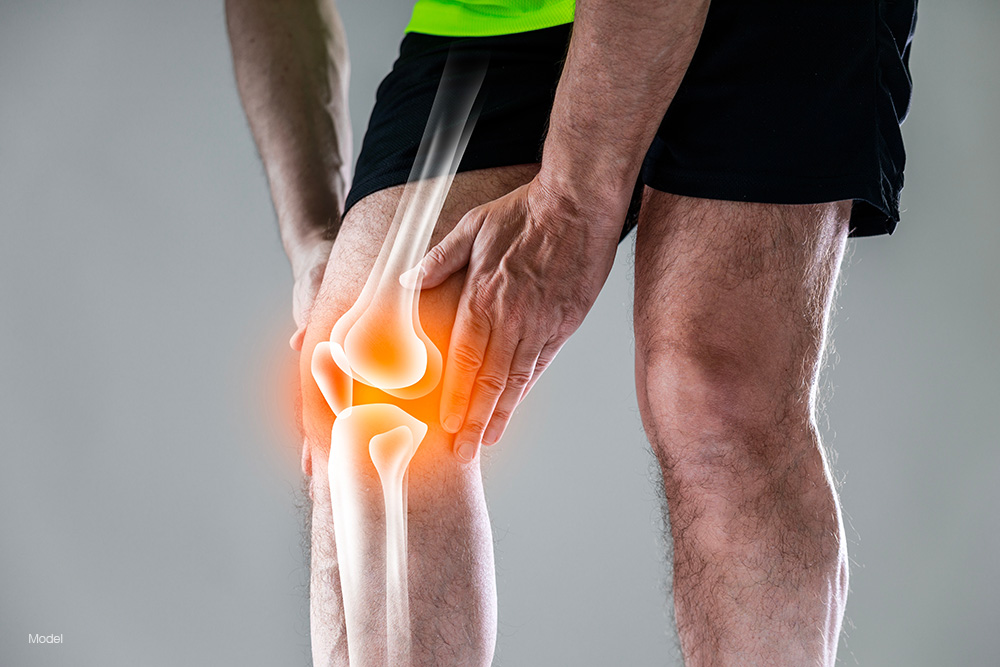
Knee replacement improves your mobility and quality of life, allowing you to resume activities you love without chronic pain. Like any surgery, knee replacement requires a recovery and rehabilitation process before you can return to your regular activities. This blog covers the knee replacement recovery timeline, from what you can expect to steps you can take to make your recovery process as smooth and comfortable as possible.
What Is the Knee Replacement Recovery Timeline?
Knee replacement recovery is a lengthy process that takes many months. During the process, you will experience the following healing phases:
Immediately After Knee Replacement Surgery
When you wake up after your procedure, you may experience some discomfort as the anesthesia begins to wear off. The hospital staff will help you manage your pain, and you will get up and walk with assistance a few hours after your procedure to reduce your risk of postoperative complications. Some patients go home the same day as their surgery, while others remain in the hospital overnight for observation.
Early Knee Replacement Recovery
Once your pain is under control and you can walk with an assistive device, such as a walker or crutches, you will be able to go home. Dr. Snibbe and his team will instruct you on caring for your incisions and prescribe pain medication to keep you comfortable for the first few weeks. You will experience some redness, swelling, and numbness at the surgical sites, which will gradually improve over the first week or two.
The most important focus during your initial weeks of recovery includes getting plenty of rest, keeping your incision clean, and managing your discomfort. Light activity is critical to support the healing process and prevent the risk of blood clots after surgery. You will also have a list of postoperative instructions to follow carefully to ensure a safe and comfortable recovery.
Beginning Physical Therapy After Knee Replacement Surgery
Your physical therapy regimen begins before you even leave the hospital, with short periods of standing and walking with support. Once you arrive home, you will begin sessions with a physical therapist at your house or a clinic, where you will learn a variety of exercises to strengthen your knee joint and increase your range of motion. You will also need to perform these exercises daily at home to ensure optimal recovery.
The first phase of physical therapy consists of various stretches to help restore your joint’s range of motion. Once you have achieved enough mobility to get in and out of chairs and vehicles, you will progress to strengthening exercises. Sticking to the daily exercises prescribed by your therapist will help your recovery progress more quickly and yield the best outcome.
Regaining Range of Motion After Knee Surgery
Weeks three to six of knee replacement recovery should provide significant relief from pain and improvement in the knee’s function. These milestones will allow you to walk independently and return to light activities like desk work and driving. You will continue to focus on strengthening the leg and the knee joint to prevent stiffness and restore full mobility.
At this stage, you are also slowly building stamina in the knee joint and surrounding muscles by light walking and climbing stairs. You may continue to experience some swelling and soreness after physical therapy or other activities. Dr. Snibbe and his team will provide instructions on relieving these side effects by combining regular exercise with rest until the discomfort subsides.
Final Recovery: Returning to Full Activity
Most patients can resume all their regular activities by the three-month mark, including walking, standing for longer periods, or light jogging. While the knee will feel more stable and discomfort will be nearly gone, it can take up to a year to fully recover from knee replacement surgery. At this point, patients will fully realize the benefits of knee replacement, experiencing relief from chronic pain, a more stable knee joint, and the freedom to enjoy activities they once loved.
Factors That Impact Knee Replacement Recovery
Everyone’s knee replacement recovery is different, as various factors can impact the recovery process, including:
- Age: Younger patients tend to recover faster than older patients.
- Health: Chronic conditions like diabetes may slow recovery.
- Fitness level: Active patients tend to have stronger muscles, which speeds recovery.
- Home support: Support and safety at home reduce the risk for complications.
- PT consistency: Patients who stick with physical therapy tend to heal faster.
Home Care Tips During Your Knee Replacement Surgery Recovery
To shorten your knee replacement recovery time and reduce your risk for complications, follow these tips:
- Stock up on healthy food and supplies for quiet activities before your surgery.
- Follow all of your postoperative instructions carefully.
- Take all medications exactly as prescribed.
- Use ice and elevation to manage postoperative swelling.
- Take frequent, short walks to break up longer periods of rest.
- Drink plenty of water and other fluids to remain hydrated.
- Keep up with your physical therapy exercises to build strength and flexibility.
- Contact your surgeon’s office with any questions or concerns.
The knee replacement recovery process may be long and even frustrating at times, but keep the end goal in mind. Once you have fully healed from your surgery, you will have greater freedom to engage in activities with less pain and improved mobility. Patients typically find that the recovery is worth the benefits they enjoy over the long term.
Ready to Learn More About Knee Replacement Surgery in Los Angeles, CA?
Knee replacement offers substantial benefits for patients who avoid certain social situations and activities due to persistent pain and stiffness. Dr. Jason Snibbe is a world-renowned orthopedic surgeon who specializes in advanced robotic surgeries that produce superior results with quicker recovery times.
To learn more about robotic knee replacement surgery in Los Angeles, call our office at (310) 860-3048 or complete our online contact form to schedule your consultation with Dr. Snibbe.