6 minute read
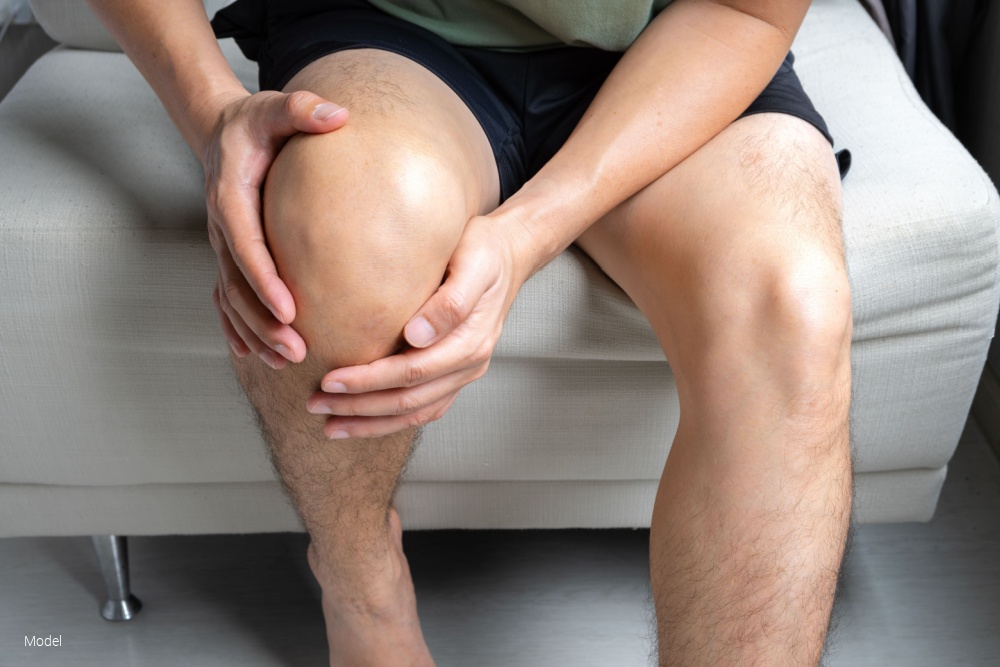
While knee replacement surgery offers numerous benefits, some patients may negatively affect their surgical results without realizing it. These mistakes can lengthen the recovery process and increase the risk of complications. We will discuss the five most common mistakes patients make after knee replacement surgery and how you can avoid them to ensure a smooth recovery process.
Table of Contents
- 1. Neglecting Pain Management
- 2. Failing to Follow Postoperative Instructions
- 3. Doing Too Much Too Soon
- 4. Skipping Physical Therapy
- 5. Not Using Supportive Devices
Neglecting Pain Management
Pain is a common side effect after knee replacement surgery that can interfere with the rehabilitation process. Fortunately, patients have multiple options in pain management, such as:
- Ice packs
- Repositioning and elevating the joint
- Prescription pain medication
When pain isn’t addressed, it can create a vicious cycle that impacts your body’s ability to heal. For example, your knee is painful, so you might skip your physical therapy or daily exercises. The lack of activity makes the joint stiff and more painful, leading to you limiting physical activity further. Lack of activity increases discomfort, so when you do try to resume physical therapy, the pain is worse. The cycle may continue and result in a poor outcome.
Pain management isn’t just about your comfort level; it’s also critical for restoring your mobility and flexibility. Sticking to your prescription schedule will help keep you ahead of the pain, making the medication more effective. If you are still experiencing severe pain after using all your pain management strategies, contact our office.
Failing to Follow Postoperative Instructions
Your postoperative instructions will encompass many aspects of your recovery, from caring for your incision to wearing compression stockings. Patients who overlook steps or fail to follow all of these instructions may discover the consequences of their actions after it’s too late to make the necessary adjustments.
Incision care instructions prevent infection and minimize scarring. If you expose the incisions to moisture too soon or fail to replace dressings as instructed, you may experience redness, swelling, or discharge, which may indicate an infection. Although infections are usually treatable, they may prolong your recovery process and create more visible scars after your wounds have finally healed.
Surgeons often instruct patients to wear compression stockings after surgery to improve blood flow and reduce the risk of blood clots. Blood clots are a risk after any surgery. Clots can form in the deep veins of the legs, break loose, and travel through the bloodstream to the lungs. There, they can cause a potentially deadly condition known as a pulmonary embolism.
Following postoperative instructions minimizes your risk for blood clots and other complications while ensuring your recovery process is smooth and comfortable.
Doing Too Much Too Soon
It’s important to get up and move soon after knee replacement surgery, but too much movement can be detrimental to your recovery process. The early stage of your recovery process should consist of a healthy balance of short, light activity sessions followed by longer rest cycles.
Wait to return to work and other activities until your doctor determines it is safe for you to do so. If you don’t have much time off from work, consider returning on a part-time basis or adjusting your workload to accommodate your recovery. Overexertion can lead to inflammation, increased discomfort, or even damage to your new joint.
Your physical therapist will also guide you through the safest and most effective exercises to support your recovery. Therapy should gradually increase your range of motion and strength, while intense pain after a session may indicate you are pushing your body too hard. By listening to your doctor and physical therapist, you can find the right pace for recovery to move you forward safely.
Skipping Physical Therapy
Although too much too soon isn’t ideal, it’s also not a good idea to skip physical therapy or daily exercise sessions. While it can be tempting to take a day or two off, regular activity is essential for keeping the joint flexible and preventing stiffness that can make exercise more challenging. Your daily physical therapy exercises offer a myriad of benefits throughout your recovery process, such as:
- Reducing pain and swelling
- Breaking up scar tissue
- Lowering your risk of complications
- Restoring range of motion
- Strengthening and stabilizing the joint
When you do your physical therapy as prescribed, it helps you return to regular activities sooner and may even reduce your overall recovery time.
Not Using Supportive Devices
Some patients feel uncomfortable using supportive devices such as walkers, canes, or crutches during recovery after surgery. However, failure to do so can be one of the most dangerous mistakes after knee replacement surgery.
When you don’t use assistive devices as instructed after knee replacement, you increase your risk for a host of potential complications, such as:
- Falls that can result in fractures or other serious injuries
- Excessive stress on the joint that may increase pain and swelling
- An implant dislocation that may require revision surgery to repair
- Inflammation that may require you to reduce your physical therapy
- Long-term issues with your gait that can cause pain in other areas
Assistive devices provide patients with the safety and stability they need after knee replacement surgery to gradually build strength and mobility. These devices offer additional support for the new knee until it becomes strong enough to move independently. Most patients should use these devices for up to six weeks to ensure they are strong enough to move without them without risking an accident.
Schedule Your Consultation to Learn More About Knee Replacement in Los Angeles, CA
Knee replacement offers long-lasting improvements, as long as you avoid these common mistakes after your knee replacement surgery. Complications from these mistakes can also add significantly to your overall knee replacement cost. Dr. Jason Snibbe is a board-certified orthopedic surgeon specializing in robotic knee replacements, which are known for their precision and quicker recovery times. To find out if you are a candidate for robotic knee replacement in Los Angeles, call our office at (310) 860-3048 or complete our online contact form to schedule your consultation with Dr. Snibbe.